Choosing the Right Water Treatment System for Your Home and Everyday Needs
Water is one of those things we tend to take for granted until something changes. Maybe the glasses coming out of the dishwasher have cloudy spots. Perhaps the shower leaves your skin feeling dry, or your drinking water has a taste that wasn’t there a few months ago. These little frustrations can make everyday tasks feel harder than they should. And while not every water issue requires an elaborate solution, understanding what’s happening can help you make better decisions for your home.
Choosing a water treatment system isn’t just about buying a filter and hoping for the best. It’s about understanding your water supply, identifying the problems that matter most, and finding equipment that fits your household without creating unnecessary expense.
Start by Understanding Your Water
Before looking at products, take a moment to consider what you’re experiencing. Do you notice mineral deposits around faucets? Is there an unusual odor when you turn on the tap? Does your water come from a municipal supply or a private well? These details can help narrow down the possible causes.
Related home guide: Understanding Your Home’s Water: From Testing to the Right Treatment →
Hard water is a common concern in many areas. It contains elevated levels of minerals, particularly calcium and magnesium, which can leave scale on plumbing fixtures, reduce soap lather, and contribute to buildup inside appliances. Other concerns may involve sediment, unpleasant tastes, or specific contaminants that cannot be identified simply by looking at the water.
Testing is a sensible starting point because different problems require different treatments. A basic assessment may identify common characteristics such as hardness or pH, while more detailed laboratory testing may be necessary when there are concerns about bacteria, metals, nitrates, or other contaminants. Don’t assume that clear water is automatically safe, and don’t buy equipment based only on a sales demonstration.
Think About the Water Used Throughout Your House
Some homeowners want better-tasting drinking water. Others are tired of cleaning mineral deposits from bathroom fixtures or dealing with scale around the kitchen sink. If several water-related problems occur in different rooms, it may be worth exploring whole-home systems that treat water as it enters the property.
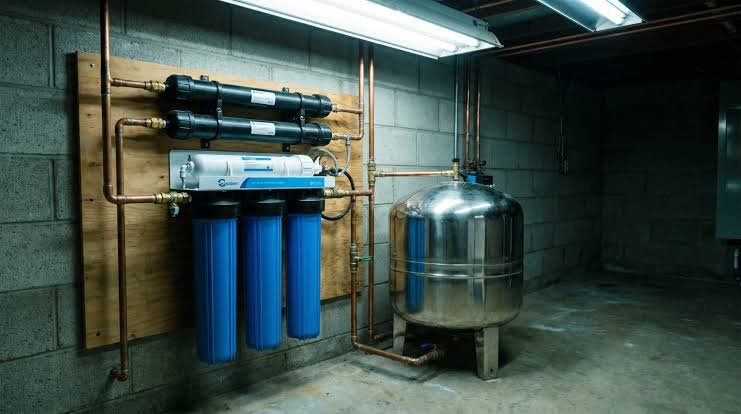
A whole-house setup can be designed to address certain issues across multiple taps, showers, and appliances. Depending on the water quality, it might include sediment filtration, carbon filtration, or a softening unit. The exact configuration matters. A system designed to remove sediment, for instance, may not remove dissolved contaminants, and a carbon filter won’t automatically solve every hardness problem.
Think about your household’s actual needs before choosing equipment. A family that runs several showers, a washing machine, and a dishwasher throughout the day may require different capacity from a smaller household. Installation space, water pressure, plumbing layout, and expected water usage can all influence the decision.
It’s also worth asking whether you need treatment at every tap. Sometimes, a targeted solution is simpler and more economical than treating all the water entering the home.
Make Drinking Water Taste Better
For many people, the kitchen is where water quality becomes most noticeable. A glass of water should taste refreshing, not carry a strong chlorine flavor or an unfamiliar aftertaste. If improving drinking water is your main priority, a dedicated filtration system may be a practical choice.
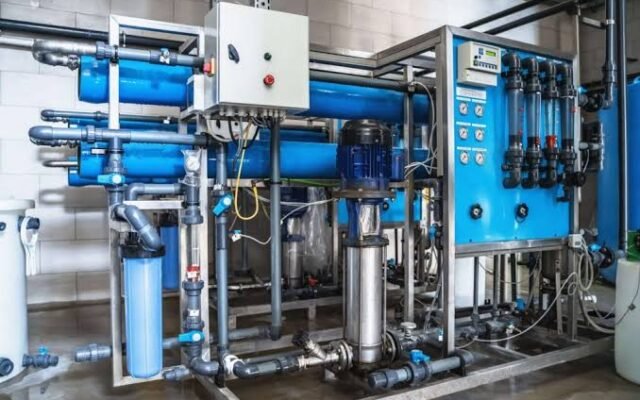
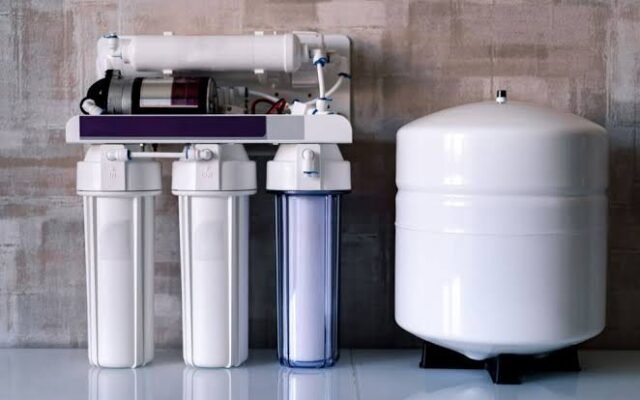
Modern ro drinking water systems use a semipermeable membrane to reduce many dissolved substances. Depending on the model and its certification, reverse osmosis can help reduce certain contaminants that ordinary sediment or carbon filters may not remove effectively. These systems are commonly installed beneath a kitchen sink and supply treated water through a separate faucet.
Still, reverse osmosis isn’t a universal answer. Performance depends on the specific unit, incoming water quality, and proper maintenance. Some systems also produce wastewater during filtration, so it’s worth asking about water efficiency and whether the unit includes features that reduce waste.
Check the manufacturer’s contaminant-reduction claims carefully. Look for independent certifications relevant to the substances you want to reduce, rather than relying on broad phrases such as “pure water.” Filter and membrane replacement costs should also be part of your budget. A system may look affordable at first, but ongoing maintenance is what keeps it working properly.
Deal With Hard Water at the Source
If your main complaint is white scale around faucets, stiff laundry, or soap that never seems to rinse away, hardness may be the issue. A water test can confirm whether mineral levels are high enough to justify treatment.
Water softeners are designed to reduce hardness minerals, commonly through an ion-exchange process. In a typical system, calcium and magnesium are exchanged for sodium or potassium ions. This can help reduce scale formation and make soaps and detergents work more effectively.
The benefits are often most noticeable in daily routines. Cleaning shower screens may become less of a chore, and fixtures may develop fewer stubborn mineral deposits. Appliances that heat water can also benefit from reduced scale buildup, although results depend on the water conditions and the equipment involved.
Softening does require some thought. Many conventional units use salt and need periodic replenishment, along with occasional servicing. If sodium intake is a concern or your household follows a medically recommended diet, ask a qualified professional whether a different setup or an additional drinking-water treatment option makes sense. A softener also isn’t a substitute for disinfection or for removing every contaminant.
Compare Long-Term Costs, Not Just the Price Tag
It’s easy to focus on the upfront price when comparing water treatment equipment. Installation costs matter, of course, but they’re only part of the picture. Ask about replacement cartridges, salt, membrane changes, electricity requirements, routine servicing, and expected equipment lifespan.
Request a written estimate that clearly identifies the equipment being supplied and the work included. If a contractor recommends several treatment stages, ask what each one does and which test result supports the recommendation. You should be able to understand why a component is necessary without having to become a water treatment expert yourself.
Be cautious of pressure tactics, especially claims that you must purchase a system immediately to protect your family. If testing reveals a potential health concern, consult the appropriate water authority, public health department, or certified laboratory for guidance. If the issue is mainly hardness or taste, you generally have time to compare suitable options and make an informed choice.
Maintenance Is Part of the Deal
Even a well-designed treatment system needs attention. Filters become clogged or reach the end of their useful life. Softener salt levels need checking, and reverse osmosis membranes eventually require replacement. Ignoring these tasks can reduce performance and, in some cases, create new problems.
Keep a simple record of installation dates, service visits, and filter changes. Follow the manufacturer’s schedule rather than waiting until water quality changes noticeably. If the taste, smell, pressure, or appearance of your water suddenly shifts, investigate the cause instead of assuming the treatment system will correct it automatically.
Regular maintenance doesn’t need to be complicated. A reminder on your calendar and an occasional check of the equipment can prevent small issues from becoming expensive repairs.
Choose What Makes Sense for Your Household
There is no single water treatment system that suits every home. The right choice depends on your water source, test results, daily habits, budget, and the problems you actually want to solve. For one household, a drinking-water filter may be enough. Another may benefit from whole-house filtration or a softener, while some homes need a combination of treatments.
Start with reliable information, ask practical questions, and compare products based on their verified performance. When you understand what your water needs, the decision becomes much less overwhelming. The goal isn’t to buy the biggest system available; it’s to make your water work better for the people who use it every day.
Explore more: Home Improvement · Renovations · Maintenance · Plumbing · Decorating ·