Choosing the Right Water Treatment System for a Healthier, More Comfortable Home

Water is one of those everyday essentials we rarely think about until something changes. Perhaps your morning coffee tastes a little different, your shower leaves your skin feeling dry, or white mineral deposits keep returning to the kitchen faucet no matter how often you clean it. These small annoyances can be signs that your home’s water deserves a closer look.
Fortunately, improving water quality doesn’t have to mean replacing every pipe or investing in the most expensive equipment available. Different treatment systems address different concerns, from unwanted tastes and dissolved substances to mineral buildup. The trick is understanding what your water needs and choosing a solution that fits your household.
Understanding Your Home’s Water Quality
Water quality varies depending on where the supply comes from, the minerals naturally present in the surrounding environment, and the plumbing through which it travels. Municipal water supplies are treated before distribution, but some homeowners still notice chlorine odors, sediment, or other characteristics they’d prefer to improve.
Related home guide: Understanding Your Home’s Water: From Testing to the Right Treatment →
Private wells present a different set of considerations. Their water quality can change with rainfall, nearby land use, seasonal conditions, and the condition of the well itself. Regular testing is especially important because certain contaminants cannot be detected by sight, smell, or taste.
Hard water is another common concern. It contains higher concentrations of calcium and magnesium, which can leave deposits on fixtures, reduce soap lather, and contribute to scale inside water heaters and other appliances. Although hardness is generally more of a maintenance issue than a health concern, it can make ordinary household chores unnecessarily frustrating.
Before buying equipment, consider having your water tested. The results can help identify the specific issues that need attention and prevent you from spending money on a system that doesn’t address the real problem.
When Reverse Osmosis Makes Sense
Drinking water is often the first place homeowners notice a difference in quality. A glass of water might look perfectly clear but still have a taste or odor that makes it less appealing. Depending on the source water, a dedicated filtration system may help improve the experience.
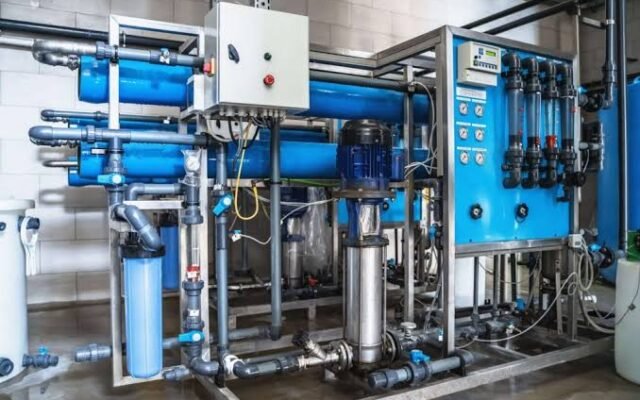
Reverse osmosis systems use a semipermeable membrane to reduce many dissolved substances in water. Water passes through the membrane while a portion of the dissolved material is separated and carried away with wastewater. Depending on the system’s design and certification, reverse osmosis may reduce substances such as certain dissolved salts, lead, arsenic, and nitrate.
These systems are commonly installed beneath a kitchen sink, providing treated water for drinking, preparing meals, and making beverages. Some models include additional carbon filters to improve taste and protect the membrane.
However, reverse osmosis isn’t automatically necessary for every household. The membrane requires appropriate maintenance, replacement schedules vary by model, and many conventional systems discharge some water during operation. Some also reduce beneficial minerals along with unwanted dissolved substances.
If you’re considering this option, check the manufacturer’s performance claims and independent certifications. Look for evidence that the particular model reduces the substances relevant to your water test results. A well-chosen system can be useful, but the goal should be addressing an identified need rather than installing equipment simply because it sounds advanced.
Dealing With Hard Water Throughout the House
If your biggest frustration is mineral buildup, a drinking-water filter may not solve the problem. You could improve the taste of your water and still find chalky deposits on shower doors, spots on glassware, and scale accumulating around faucets.
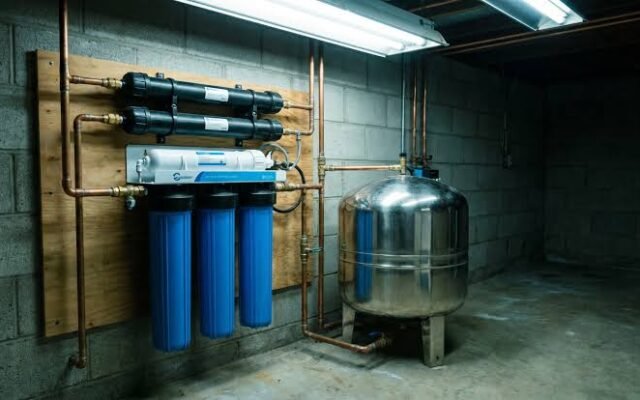
That’s where water softeners can help. Conventional salt-based softeners use an ion-exchange process to replace calcium and magnesium ions with sodium or, in some systems, potassium ions. This reduces water hardness and can help limit scale formation in plumbing and appliances.
Many households notice practical benefits after installation. Soap may lather more easily, laundry can feel less stiff, and cleaning mineral deposits may become less of a regular chore. Water heaters and other equipment may also benefit from reduced scale buildup, although actual results depend on the water conditions and system maintenance.
It’s important to understand what a softener does not do. It isn’t a universal contaminant-removal system, and it doesn’t necessarily make water safer to drink. If your water contains bacteria, nitrates, or other specific contaminants, those concerns require appropriate treatment.
Salt-based systems also need a continuing supply of softener salt and occasional checks of the brine tank. The correct settings depend on water hardness, household consumption, and the equipment’s capacity. A system that is too small or poorly configured may struggle to keep up with demand.
For households concerned about sodium intake, it’s worth discussing the implications of softened water with a qualified professional. Depending on the situation, a separate drinking-water tap or an alternative treatment approach may be appropriate.
What About Alkaline Water?
Alkaline water has attracted plenty of attention, partly because of claims about hydration, energy, and overall wellness. But separating marketing language from established evidence is important before investing in a new system.
Alkaline water systems are designed to increase water’s pH, often by using mineral cartridges or other treatment methods. Some products combine alkalization with filtration, which means they may offer more than one function. However, raising pH alone does not guarantee that water is free from harmful contaminants or that it provides special health benefits.
The human body regulates blood pH through its normal physiological processes. Current evidence does not establish that drinking alkaline water offers broad health advantages over ordinary safe drinking water for the general population.
That doesn’t mean nobody will prefer its taste. Water preferences are personal, and some people enjoy the flavor of water treated with added minerals. The important distinction is between personal preference and proven health outcomes.
If you like the idea of an alkaline water system, examine its filtration capabilities separately from its pH claims. Check whether it has independent certification for reducing specific contaminants and understand which cartridges require replacement. Paying for a feature that you enjoy is one thing; assuming it replaces essential water treatment is another.
Finding the Right Balance for Your Household
With several treatment technologies available, choosing the right combination can feel like a bigger project than expected. Fortunately, a few practical questions can simplify the process.
Start by identifying your main concern. Is it hard water throughout the house, unpleasant drinking-water taste, or a contaminant identified by testing? The answer helps narrow the field considerably.
Next, consider how much water your household uses and where treatment is needed. A compact drinking-water filter may be sufficient for a small family primarily concerned about taste. A larger property with substantial hardness may need a whole-house softener. Some homes benefit from combining technologies, provided each system serves a clear purpose.
Ongoing costs deserve attention, too. Compare filter replacements, salt requirements, electricity use, servicing, and potential wastewater. Ask whether installation is included in the quote and whether replacement parts will remain readily available.
Finally, don’t overlook maintenance. Even a high-quality system can perform poorly if its filters are overdue for replacement or its settings are incorrect. Keep the product manual, record service dates, and follow the manufacturer’s recommendations.
Good Water Starts With Informed Decisions
Improving household water quality doesn’t require chasing every new product or wellness trend. It begins with understanding what’s in your water and deciding which improvements would genuinely make daily life better.
Reverse osmosis can be useful when particular dissolved substances need to be reduced. Water softeners address hardness and help manage mineral scale, while alkaline systems may appeal to people who prefer a different taste or mineral profile. Each has a distinct purpose, and none should be expected to solve every water-quality problem.
Take time to review test results, compare credible product information, and ask questions before committing to a purchase. When a system matches your actual needs and receives proper maintenance, it can become a dependable part of your home rather than another piece of equipment to worry about.
In the end, better water isn’t about choosing the most complicated technology. It’s about making a thoughtful decision that supports your household, fits your budget, and gives you confidence in the water you use every day.
Explore more: Home Improvement · Renovations · Maintenance · Plumbing · Decorating ·