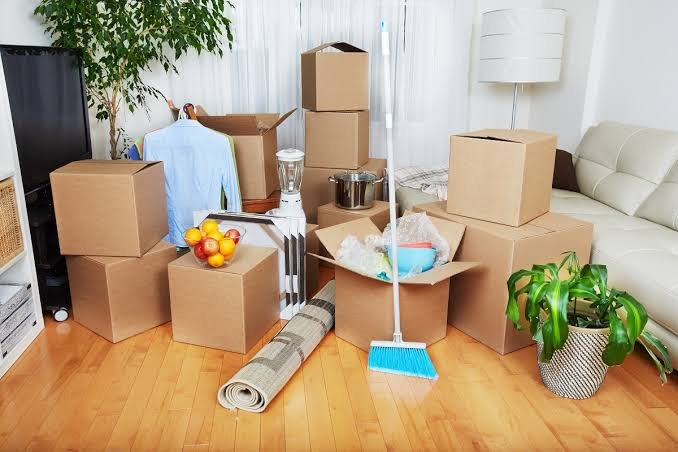
Moving can be exciting, but it also comes with a long list of responsibilities. One of the most overlooked tasks is deciding what to do with unwanted items before the move. A well-planned moving cleanout helps reduce stress, lower moving costs, and make settling into a new space much easier.
Whether you’re relocating across town or to another state, taking the time to sort through your belongings before packing can save valuable time and money. Companies like Junk Rescue AZ often see homeowners and businesses overwhelmed by the amount of unwanted furniture, appliances, electronics, and miscellaneous clutter that accumulates over the years.
Why a Moving Cleanout Matters
Many people make the mistake of packing everything they own and sorting through it later. Unfortunately, this approach often results in higher transportation costs, more unpacking work, and unnecessary clutter in the new location.
A strategic moving cleanout provides several benefits:
- Reduces the volume of items being moved
- Lowers moving expenses
- Creates a more organized packing process
- Saves time during unpacking
- Helps identify items that can be donated or recycled
- Makes the new space feel cleaner and more functional
Moving is the perfect opportunity to evaluate what truly adds value to your life and what no longer serves a purpose.
Signs It’s Time for a Thorough Cleanout
If any of the following situations sound familiar, a complete cleanout should be a priority before your move:
- Closets are overflowing with unused items
- The garage is packed with old equipment or storage boxes
- Furniture no longer fits your lifestyle or future space
- Broken electronics have been sitting untouched for years
- You have duplicate household items
- Storage areas contain forgotten belongings
The more items you remove before moving day, the smoother the entire relocation process becomes.
How to Plan a Successful Moving Cleanout
A successful cleanout starts with a clear strategy. Waiting until the final week before a move often leads to rushed decisions and unnecessary stress.
Start Early
Ideally, begin the cleanout process four to eight weeks before your moving date. This gives you enough time to sort, donate, recycle, sell, and dispose of unwanted items responsibly.
Create a schedule that breaks the process into manageable sections:
- Bedrooms
- Closets
- Kitchen
- Bathrooms
- Garage
- Storage areas
- Outdoor spaces
Focusing on one area at a time prevents burnout and keeps the project organized.
Use the Four-Category Method
As you sort through belongings, place each item into one of four categories:
- Keep
- Donate
- Sell
- Remove
This simple system eliminates indecision and helps you make faster choices.
If an item has not been used in years, is damaged beyond repair, or no longer fits your needs, it may be time to let it go.
Common Items Removed During a Moving Cleanout
Every move is different, but certain items frequently end up on the removal list.
Old Furniture
Large furniture pieces are among the most common items people choose not to move.
Examples include:
- Worn-out couches
- Broken recliners
- Outdated dining sets
- Damaged bed frames
- Unused office furniture
Moving bulky furniture can be expensive, especially when the items no longer provide value.
Appliances
Many homeowners discover old appliances occupying garage space or storage rooms.
These may include:
- Mini refrigerators
- Broken microwaves
- Old washers and dryers
- Unused freezers
- Outdated air conditioning units
Proper disposal or recycling is often the best solution.
Electronics
Electronic waste continues to grow each year. During a move, many people finally decide to part with outdated devices such as:
- Old televisions
- Computer monitors
- Printers
- DVD players
- Obsolete gaming systems
Responsible recycling helps prevent these materials from ending up in landfills.
Household Clutter
Small items may not seem significant individually, but together they can create a substantial amount of unnecessary volume.
Examples include:
- Excess kitchenware
- Decorative items
- Old books
- Toys
- Seasonal decorations
- Miscellaneous storage-bin contents
Removing these items can dramatically simplify packing.
Donation Opportunities Before Moving
Not everything removed during a cleanout belongs in the trash. Many items can benefit someone else.
Consider donating:
- Gently used furniture
- Clothing
- Household goods
- Kitchen supplies
- Books
- Toys
Donations help reduce waste while supporting local organizations and community members in need.
Before donating, ensure items are clean, functional, and in good condition.
Recycling and Responsible Disposal
Environmental responsibility should be a key part of any moving plan.
Many materials can be recycled, including:
- Metal furniture components
- Cardboard
- Electronics
- Certain plastics
- Appliances
- Scrap materials
Research local recycling programs and disposal guidelines to ensure compliance with community regulations.
Professional junk removal services often have established recycling and donation networks that help divert reusable materials away from landfills.
Benefits of Hiring Professional Help
While some cleanouts can be handled independently, larger projects often benefit from professional assistance.
Save Time
Sorting, lifting, loading, and transporting unwanted items can take days or even weeks. Professionals streamline the process and complete removals efficiently.
Improve Safety
Heavy furniture, appliances, and bulky debris can cause injuries when handled improperly.
Professionals have the equipment and experience needed to move large items safely.
Reduce Stress
Moving already involves numerous responsibilities, from changing addresses to coordinating logistics.
Delegating junk removal allows you to focus on more important aspects of the relocation.
Handle Large-Scale Cleanouts
Estate moves, downsizing projects, business relocations, and long-term residences often generate significant amounts of unwanted material.
Professional teams can manage large volumes quickly and efficiently.
Moving Cleanout Tips for Businesses
Commercial relocations require a slightly different approach.
Businesses should evaluate:
- Outdated office furniture
- Old filing cabinets
- Unused equipment
- Broken electronics
- Excess inventory
- Storage room contents
Conducting a cleanout before relocating can improve efficiency and reduce transportation costs.
A streamlined office setup also helps employees transition more smoothly into the new workspace.
Avoid Common Cleanout Mistakes
Many people unintentionally create extra work during the cleanout process.
Avoid these common mistakes:
Waiting Too Long
Last-minute cleanouts often result in rushed decisions and increased stress.
Keeping Items Out of Guilt
Holding onto unused possessions simply because they were expensive or sentimental can create unnecessary clutter.
Ignoring Disposal Regulations
Certain items require specialized disposal methods. Electronics, appliances, and hazardous materials should never be discarded improperly.
Underestimating Volume
Many homeowners are surprised by how much clutter accumulates over time. Planning for more removal volume than expected helps prevent delays.
Creating a Fresh Start in Your New Space
A move represents more than a change of address. It is an opportunity to create a cleaner, more organized environment.
By removing unnecessary belongings before packing, you gain greater control over the moving process and start your next chapter with only the items that truly matter.
The result is a home or office that feels more functional, less cluttered, and easier to maintain from day one.
Conclusion
A well-executed moving cleanout is one of the smartest investments you can make before relocating. It reduces moving costs, simplifies packing, minimizes clutter, and creates a smoother transition into your new space. By starting early, making intentional decisions, and disposing of unwanted items responsibly, you can turn a potentially overwhelming task into a manageable project.
For those seeking an efficient and stress-free solution, Junk Rescue AZ can help make the cleanout process faster, safer, and more effective, allowing you to focus on the excitement of your upcoming move.