Understanding Your Home’s Water: From Testing to the Right Treatment

Water has a quiet way of shaping our everyday lives. We notice it when the morning coffee tastes just right, when laundry comes out fresh, or when a shower feels comfortable after a long day. But when something changes, the little details can become frustrating. White residue appears around the kitchen tap, soap refuses to lather properly, or the drinking water develops an unfamiliar taste.
These issues don’t always point to a serious problem, but they are good reasons to pay attention. Water comes from different sources, travels through different plumbing systems, and contains varying amounts of naturally occurring minerals. Understanding those differences can help homeowners choose practical solutions instead of spending money on equipment they may not need.
Why Every Home Has Different Water Needs
Water quality isn’t identical from one neighbourhood to another. Municipal supplies are treated and monitored according to applicable regulations, but the mineral content and taste can still vary. Homes that rely on private wells face additional considerations because groundwater conditions depend on local geology, nearby land use, and well maintenance.
Related home guide: Choosing the Right Water Treatment System for Your Home and Everyday Needs →
Hard water is one of the most common household concerns. It contains elevated levels of calcium and magnesium, which can leave deposits on showerheads, glassware, and plumbing fixtures. Over time, mineral scale may also build up inside water heaters and other appliances.
Other concerns include iron staining, sediment, unusual odours, and the possible presence of contaminants that cannot be seen. It’s important to distinguish between an inconvenience and a potential health issue. A cloudy glass of water, for instance, may simply contain tiny air bubbles, but persistent changes deserve investigation rather than guesswork.
The most useful first step is to understand what is actually in the water. Once the cause is clear, choosing an appropriate treatment method becomes much easier.
Water Testing Provides a Useful Starting Point
It’s tempting to buy a filter as soon as water starts looking or tasting different. However, filters are designed for specific purposes, and a system that improves taste may not address hardness or other substances.
Professional water testing can help identify the characteristics that matter most. Depending on the source and concerns, testing may measure hardness, pH, iron, nitrates, bacteria, or selected metals and chemicals. Not every home needs every test, so the best testing plan depends on the water supply and local risks.
For municipal water users, reviewing the supplier’s water quality report can provide useful background information. Additional testing may be appropriate if the home has older plumbing, persistent staining, or other specific concerns. Private well owners should arrange regular testing through a qualified laboratory, particularly for bacteria and nitrates, following local recommendations.
Be sure to ask what a testing service actually includes. A free screening may provide helpful preliminary information, but it may not assess every contaminant relevant to your household. Some substances require specialised laboratory methods and carefully collected samples.
Testing is valuable because it replaces assumptions with evidence. It can also prevent overspending on a treatment system that promises impressive results but doesn’t solve your particular problem.
Exploring Treatment Options That Make Sense
Once the results are available, you can compare treatment technologies based on their intended purpose. There’s no universal solution for every household, and adding more equipment doesn’t automatically produce better water.
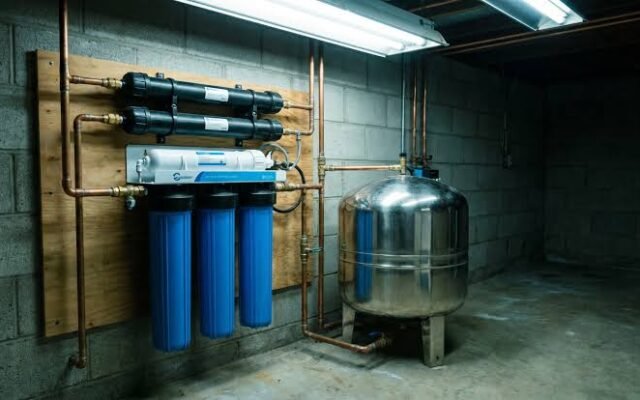
Sediment filters remove suspended particles such as sand, dirt, and rust. They can be particularly useful where visible particles affect water clarity or threaten downstream equipment. Activated carbon filters serve a different role, often improving taste and odour by reducing chlorine and certain organic compounds, depending on their design.
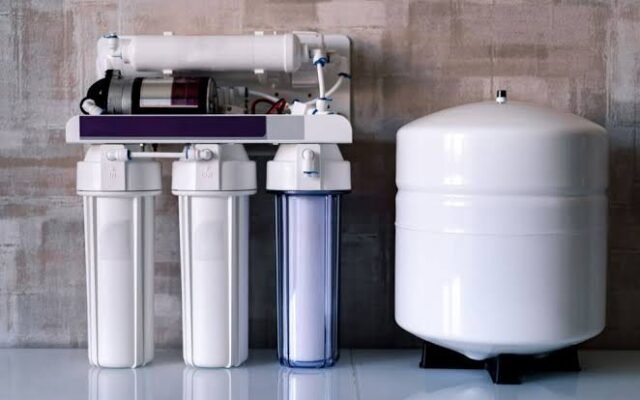
Reverse osmosis systems use a semipermeable membrane to reduce many dissolved substances. These systems are commonly installed beneath kitchen sinks to supply water for drinking and cooking. They require routine maintenance and usually discharge some water during operation, so filter replacement costs and water efficiency should be considered before buying one.
Homes with microbial concerns may require a suitable disinfection method. Ultraviolet treatment can inactivate susceptible microorganisms when the equipment is correctly designed and maintained, but it doesn’t remove dissolved chemicals or particles. Pretreatment may be necessary to ensure reliable performance.
A water treatment professional can help explain which technologies fit your results, available space, and household water use. Ideally, the recommendation should include clear performance information, maintenance requirements, and realistic operating costs.
When Water Softening Can Improve Daily Life
For households dealing with persistent mineral deposits, water softening can make a noticeable difference. Conventional ion-exchange softeners reduce calcium and magnesium by exchanging these minerals for sodium or potassium ions. The system periodically regenerates its resin so it can continue operating.
The benefits are often practical rather than dramatic. Soap may lather more easily, shower screens can become simpler to clean, and mineral buildup inside certain appliances may be reduced. Depending on the home’s water conditions, limiting scale can also help protect plumbing equipment and water heaters.
However, softening isn’t the same as purification. A typical softener isn’t designed to remove bacteria, pesticides, or every dissolved contaminant. If testing identifies additional concerns, separate treatment may be necessary.
Homeowners should also understand how softening affects water chemistry. Sodium-based systems add some sodium to the treated water, with the amount depending partly on the original hardness. People following medically prescribed sodium restrictions should discuss suitable options with a healthcare professional. Potassium-based regeneration is another possibility, although it has different costs and considerations.
A correctly sized system should match the household’s water consumption and hardness levels. Too little capacity can lead to frequent regeneration, while an unnecessarily large unit may increase purchase and operating costs.
Choosing Fixtures and Finishes That Suit Your Home
Water quality is only one part of a comfortable home. The fixtures, fittings, and finishes you choose can also influence how easily your kitchen and bathroom stay looking their best.
For homeowners updating a bathroom or kitchen, the Kenai Collection may be worth exploring as part of a wider design plan, depending on the products and finishes available within the range. When comparing any fixture collection, consider appearance alongside practical details such as material durability, cleaning requirements, compatibility with existing plumbing, and resistance to everyday wear.
Mineral-rich water can leave deposits on polished surfaces, glass, and metal finishes, so the cleaning routine matters. Use cleaning products recommended by the manufacturer and avoid harsh chemicals or abrasive pads that could damage protective coatings. A soft cloth and prompt removal of water spots can often make routine care easier.
It’s also sensible to address persistent scale at its source rather than relying entirely on cleaning products. If hard water is confirmed, a suitable softener may help reduce new deposits, although existing buildup may still require careful cleaning.
Good design and sensible maintenance work well together. Choosing attractive fixtures is one thing; keeping them functional and presentable for years requires a little attention to the conditions in your home.
Don’t Forget Regular Maintenance
Even the best treatment equipment needs routine care. Filter cartridges gradually lose capacity, softeners require regeneration, and some systems need periodic inspections or sanitisation. Skipping maintenance can reduce effectiveness and make it harder to know whether the equipment is still performing as intended.
Follow the manufacturer’s instructions and keep records of replacement dates, service visits, and water test results. If the system is designed to reduce a particular contaminant, periodic testing may help verify its performance.
Before purchasing equipment, ask about replacement part availability and long-term service costs. A lower initial price may not represent good value if cartridges are expensive or difficult to obtain.
A Thoughtful Approach to Better Water
Improving household water doesn’t need to involve complicated decisions or unnecessary spending. Begin by identifying the issue, arranging appropriate testing, and comparing technologies designed to address the results.
Some homes need a straightforward drinking water filter. Others may benefit from a softener, specialised disinfection, or a combination of treatment methods. The right answer depends on the source, the household’s priorities, and the evidence gathered through testing.
Take the time to ask questions, understand product limitations, and plan for maintenance. With reliable information and equipment suited to your needs, you can make everyday water use more comfortable while protecting your investment in the home. Sometimes, the most effective improvement isn’t the most complicated one. It’s simply the solution that fits your water, your routine, and your budget.
Explore more: Home Improvement · Renovations · Maintenance · Plumbing · Decorating ·