Why Good Water Care Matters More Than You Think
Water is something most of us use every day without giving it much thought. We turn on the kitchen tap, fill a glass, wash clothes, or step outside to enjoy a garden pond. Everything seems fine until the water tastes strange, mineral deposits appear on the faucet, or a pond suddenly turns cloudy and green. That’s usually when water quality gets our attention.
The truth is, good water care isn’t just about solving problems after they appear. It’s about understanding what your water needs and taking small, sensible steps to keep it in good condition. Whether you’re maintaining a household system, managing water for a small business, or caring for a backyard pond, a little attention now can prevent bigger headaches later.
Understanding What’s Actually in Your Water
Water can look perfectly clear and still contain minerals, sediment, or other substances that affect its quality. Hard water, for example, contains higher levels of dissolved calcium and magnesium. Over time, these minerals can leave white deposits on fixtures, reduce the efficiency of water-using appliances, and make soap less effective.
Other concerns may include unpleasant odors, discoloration, or sediment coming through the tap. The cause isn’t always obvious. Sometimes the issue comes from the local water supply; in other cases, plumbing, a private well, or an aging treatment system may be responsible.
That’s why guessing isn’t the best approach. A professional assessment can help identify what’s happening and point you toward a practical solution instead of an unnecessary purchase.
The Value of Regular Water Testing
Many water problems develop gradually, so people often adapt without realizing anything has changed. Perhaps the water tastes a little different than it used to, or the shower leaves more residue than usual. These small signs can be worth investigating.
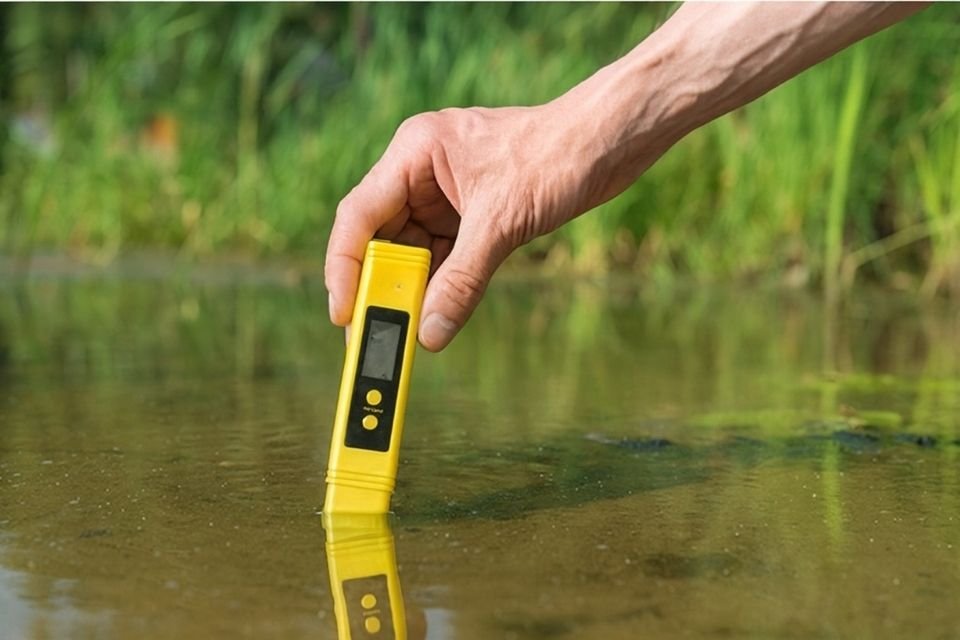
Routine water testing provides useful information about the condition of your supply. Depending on your source and concerns, testing may examine hardness, pH, iron, bacteria, nitrates, or other relevant indicators. The right tests depend on whether you use municipal water, a private well, or another source.
For households with private wells, testing is particularly important because water quality can change with weather, nearby land use, flooding, or maintenance issues. Clear water isn’t automatically safe water, and appearance alone cannot confirm that it meets drinking-water standards.
Testing also helps you choose the right treatment equipment. Instead of installing a system based on a neighbor’s recommendation or an online advertisement, you can make a decision that reflects your actual water conditions.
Choosing a Treatment System That Fits Your Needs
No single water treatment system solves every problem. The best choice depends on what needs to be removed or reduced, how much water you use, and the condition of your existing plumbing.
Water softeners are commonly used to reduce hardness and help prevent mineral buildup. Reverse osmosis systems can reduce a range of dissolved substances in drinking water when properly selected and maintained. Sediment filters capture particles, while other filtration technologies target specific contaminants, tastes, or odors.
It’s worth remembering that more equipment doesn’t necessarily mean better water. A system should match the problem, be sized for the household or business, and be installed correctly. An oversized or poorly maintained unit can waste money without delivering the results you expect.
Ask questions before making a decision. What does the system treat? What maintenance does it require? How often should filters be replaced? Are there ongoing operating costs? Straightforward answers to these questions can make the difference between a useful investment and a frustrating one.
Don’t Overlook Repair and Maintenance
Even a well-designed water treatment system needs occasional attention. Filters become clogged, valves wear out, pumps can lose efficiency, and connections may eventually develop leaks. These issues rarely fix themselves, although they sometimes go unnoticed until performance drops.
Regular repair & maintenance helps keep equipment working as intended. Depending on the system, this may involve replacing filters, checking pressure, cleaning components, inspecting pipes, testing controls, or arranging professional servicing. Following the manufacturer’s maintenance schedule is a sensible starting point.
Pay attention to changes. A softener that suddenly stops producing the expected results, a filtration unit with reduced flow, or a pump that makes unusual noises may be telling you something. Acting early can prevent a small fault from becoming an expensive repair.
There’s also a practical benefit: properly maintained equipment often operates more efficiently. That can mean fewer interruptions, less wasted water, and greater confidence in the system’s performance. Keep a simple record of service dates and filter changes. It doesn’t need to be complicated; even a note on your phone is better than trying to remember everything months later.
Keeping Backyard Ponds Clear and Balanced
Ponds have their own water-quality challenges. Sunlight, fallen leaves, fish waste, excess nutrients, and warm temperatures can all contribute to algae growth. A pond may look lovely in spring, then become murky or develop an unpleasant smell during the hottest part of summer.
The first step is to understand the balance of the pond. Good circulation and suitable filtration help move water and manage waste. Removing decaying leaves, avoiding overfeeding fish, and preventing fertilizer runoff can also reduce the nutrients that encourage algae. Aquatic plants may help support a healthier ecosystem when selected and managed appropriately.
Effective pond treatment should address the underlying cause rather than simply making the water look better for a day or two. Depending on the problem, treatment may involve improving filtration, adjusting aeration, managing nutrients, or using a suitable product according to its label. Some chemical treatments can harm fish, plants, or beneficial organisms if used incorrectly, so careful selection matters.
If fish are gasping at the surface, water quality may be deteriorating quickly. Check aeration and seek appropriate advice rather than adding several products at once. In a pond, balance is usually more valuable than a dramatic quick fix.
Everyday Habits That Make a Difference
You don’t need to become a water specialist to care for your system. A few simple habits can help. Check for leaks occasionally, keep treatment equipment accessible, and replace consumable parts on schedule. If you use well water, follow local recommendations for testing and pay particular attention after flooding or repairs.
For ponds, remove debris before it begins to decay, keep an eye on fish behavior, and avoid adding treatments simply because the water looks slightly different. Changes in season can affect appearance, and not every change requires chemical intervention.
When a problem persists, professional guidance can save time. A qualified water treatment provider can evaluate the situation, explain the options, and help you avoid spending money on equipment that doesn’t address the real issue.
A Better Approach to Water Starts With Small Steps
Clean, reliable water rarely comes from one dramatic decision. More often, it’s the result of understanding your water, choosing appropriate equipment, and keeping that equipment in good working order. The same principle applies to ponds: healthy water depends on a balance of circulation, filtration, maintenance, and sensible treatment.
Start with what you know. Notice changes, ask questions, and arrange testing when there’s a reason to be concerned. You don’t have to fix everything at once. A thoughtful plan, supported by regular care, can protect your investment and make everyday water use more dependable.
In the end, good water management is about peace of mind. When your system works properly and your water is cared for consistently, you spend less time reacting to problems and more time enjoying the comfort of a home, business, or outdoor space that works the way it should.